Sept Winery • Nehla, Lebanon
“There’s a lot of pretension around wine. In my mind, wine is rural, linked to nature, and accessible to everyone. I want to show the value of our heritage. This is wine from our land, not an imported Chardonnay or Merlot. We should be proud of what we have in Lebanon and take back what is ours.” Maher Harb
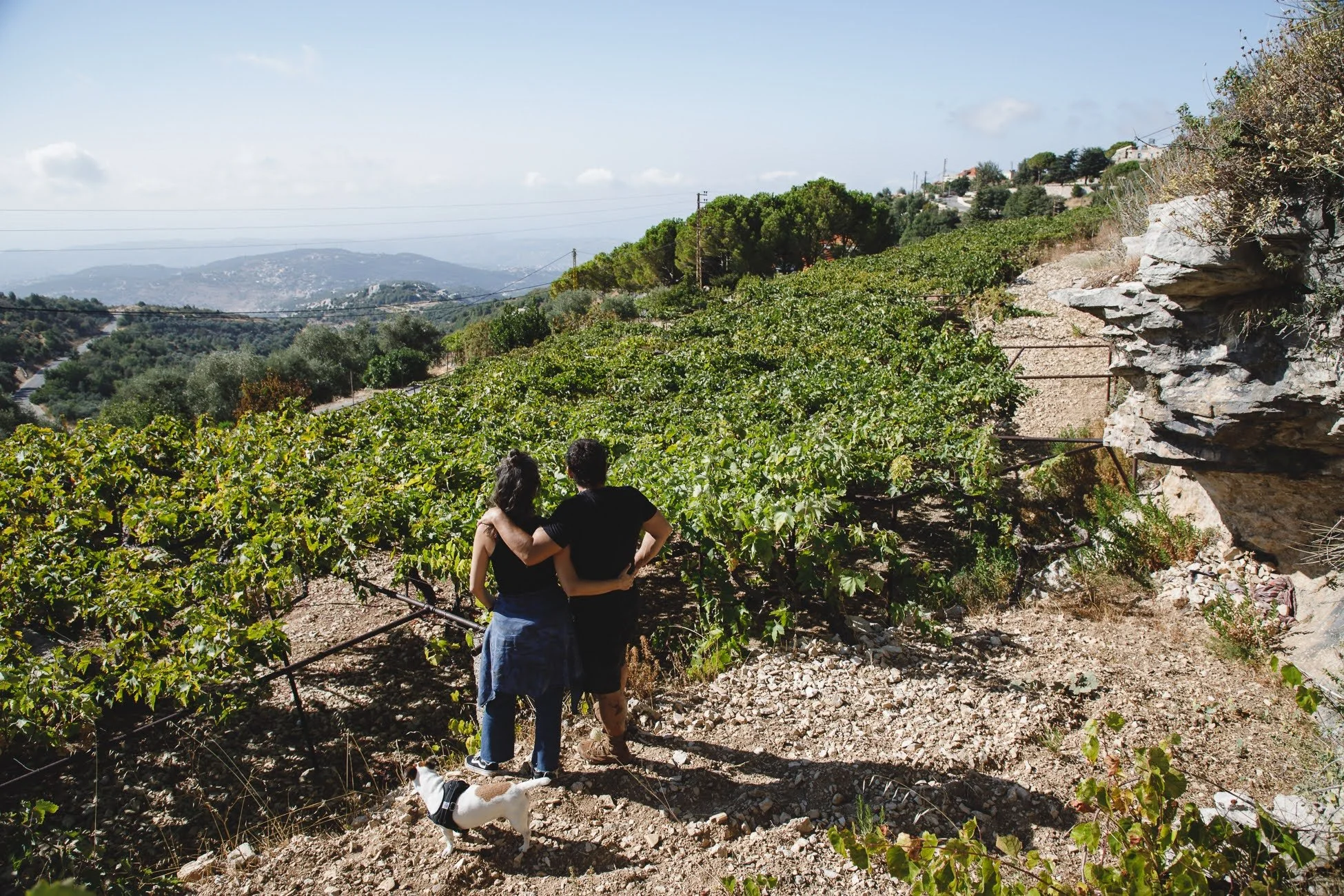
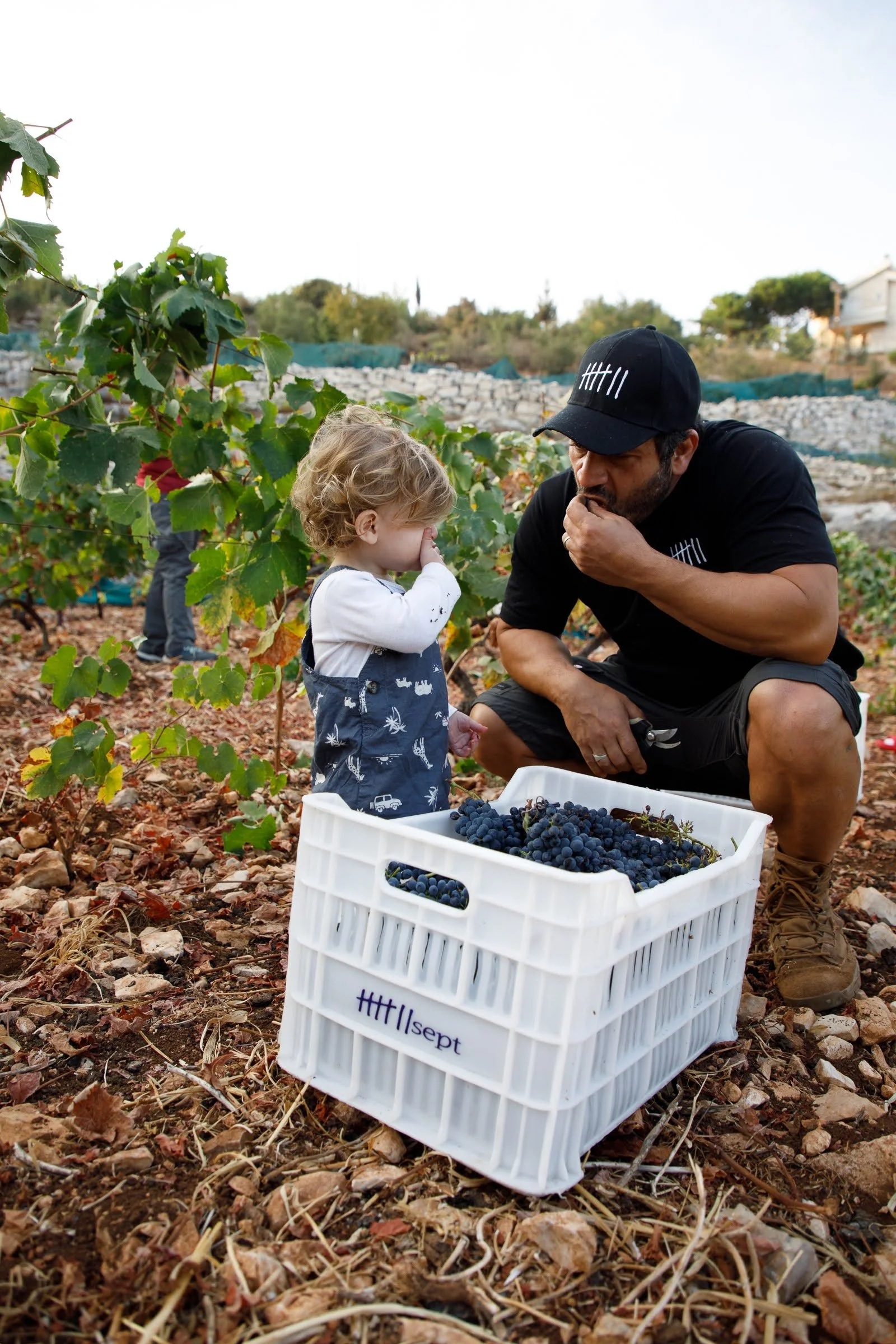
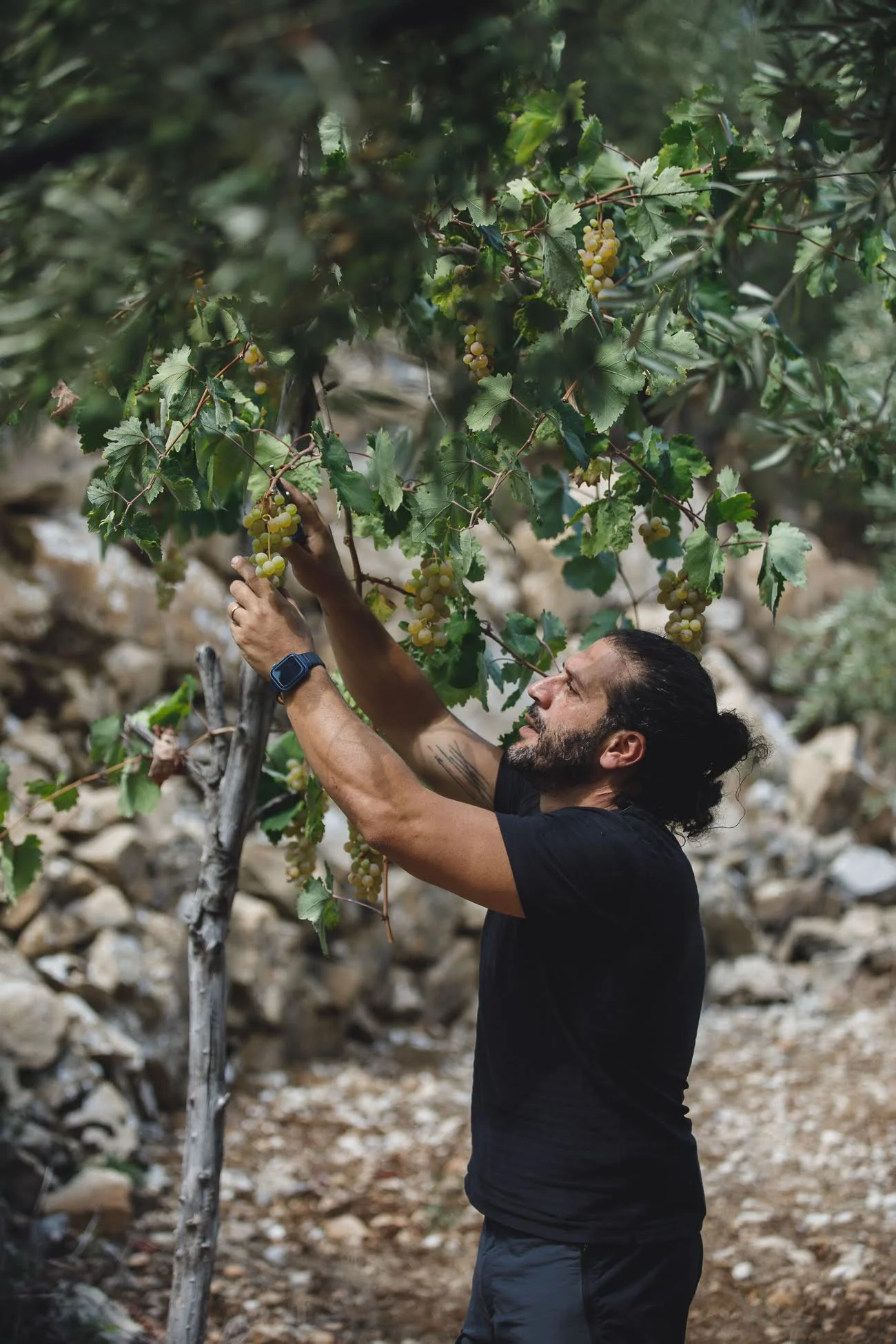
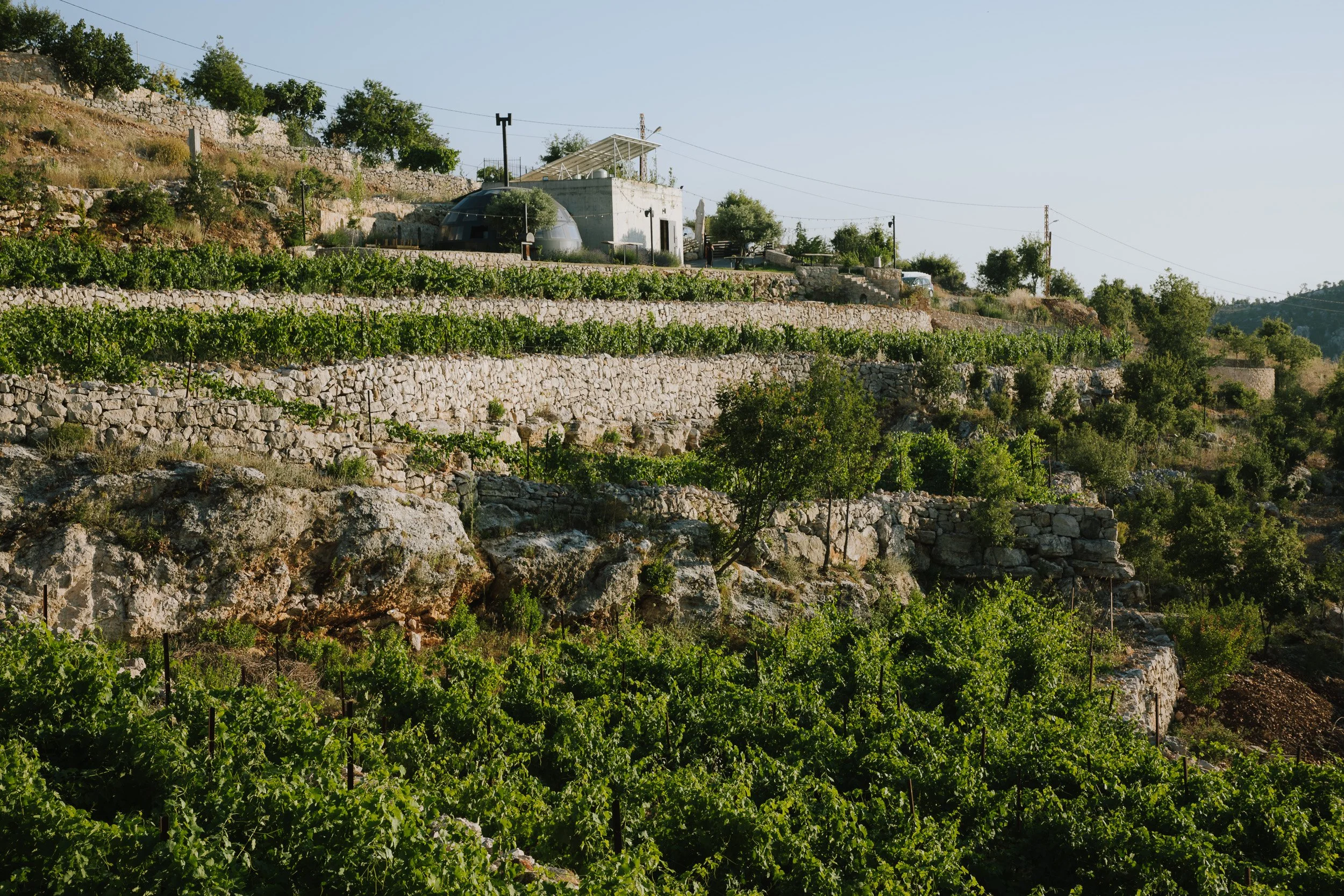
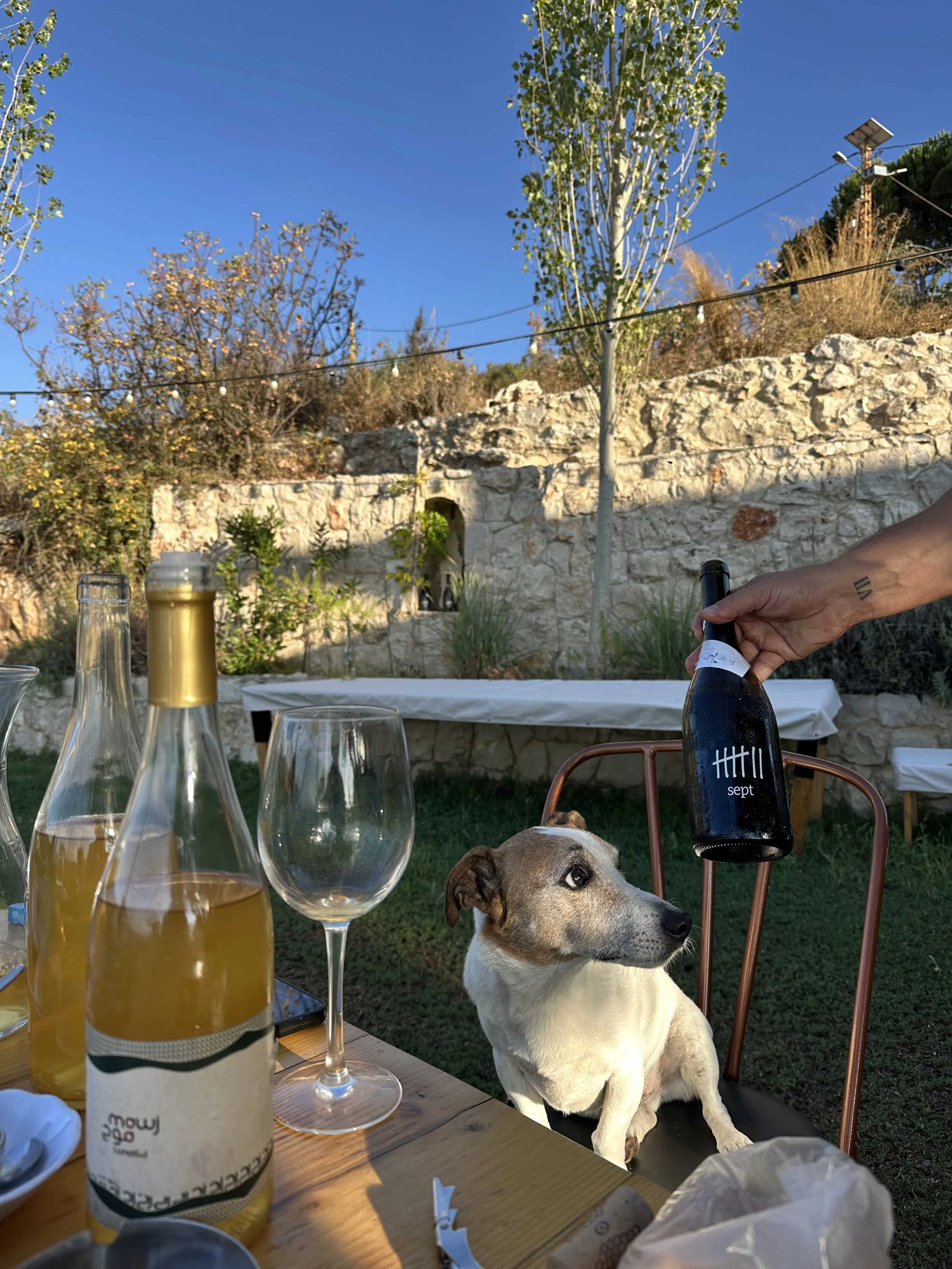
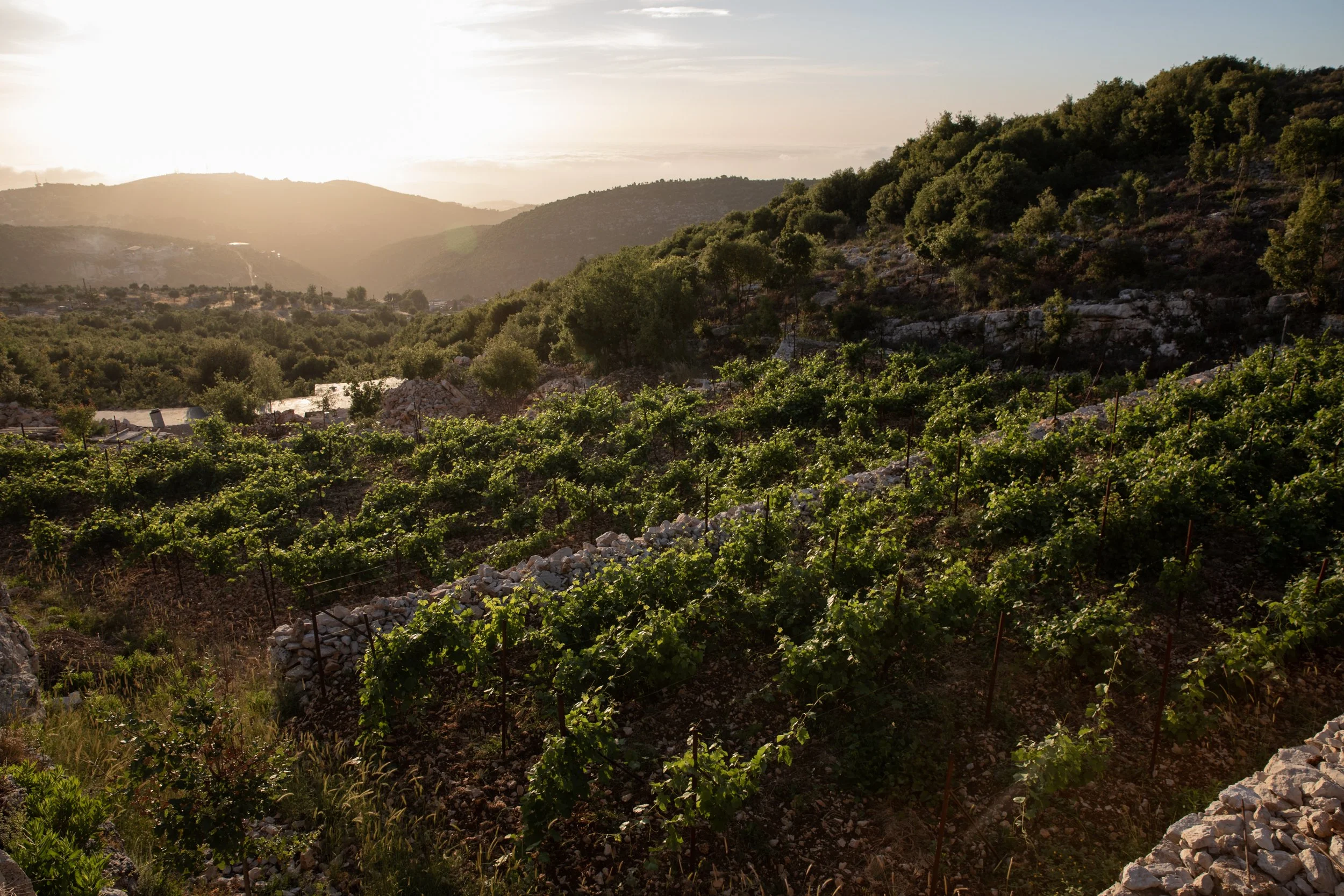
When Maher Harb left Lebanon for France as a teenager, he had no idea that his true destiny would await him in the ancestral village of his father back in Lebanon in the village of Nehla. A graduated mathematician, Maher spent years in France and Saudi Arabia as a telecommunications consultant. A serious car accident led him on a personal journey, and in 2010 he left Saudi Arabia and his consulting work and began traveling extensively. His deep appreciation for wine, which he developed during his time living in France and childhood memories harvesting grapes in the mountains with his father, whom he lost at a young age, led Maher to explore the world of winemaking and eventually earn an OIV Master in Wine Management in France. Then in 2012, on the land he inherited from his late father, Maher terraced the steep and rocky hillside and painstakingly hand-planted some 5,000 vines. He named his winery Sept, guided by a spiritual connection to the number 7, both his and his father’s life path number. His first vintage was 2016. The philosophy and approach of Sept winery is a distillation of Maher’s personal journey that led him home.
The Sept motto is “Un Vin de Lieu”, meaning “A wine of place.” Each wine expresses the terroir of a single plot or wine region in Lebanon and is typically monovarietal. Sept grapes come from Maher’s own vineyard in Nehla, are foraged from wild ancient, abandoned vines, and are purchased from family grape growers in other Lebanese regions.
Maher’s growing philosophy in Nehla is rooted in biodynamics; he rarely intervenes in the organic growth of his grapes or the vinification process. For him, nature provides a balanced example of a successful environment where sun, soil, air, and water are in harmony and wines can express a true sense of place.
“I heard about how they worked with the phases of the moon. It triggered a memory in me of my grandmother from the mountains, who talked a lot about the phases of the moon and agriculture. In her time they didn't call it biodynamic, she didn't know what it was. All she knew was that that knowledge came from her father, who learned it from his father, and so on.”
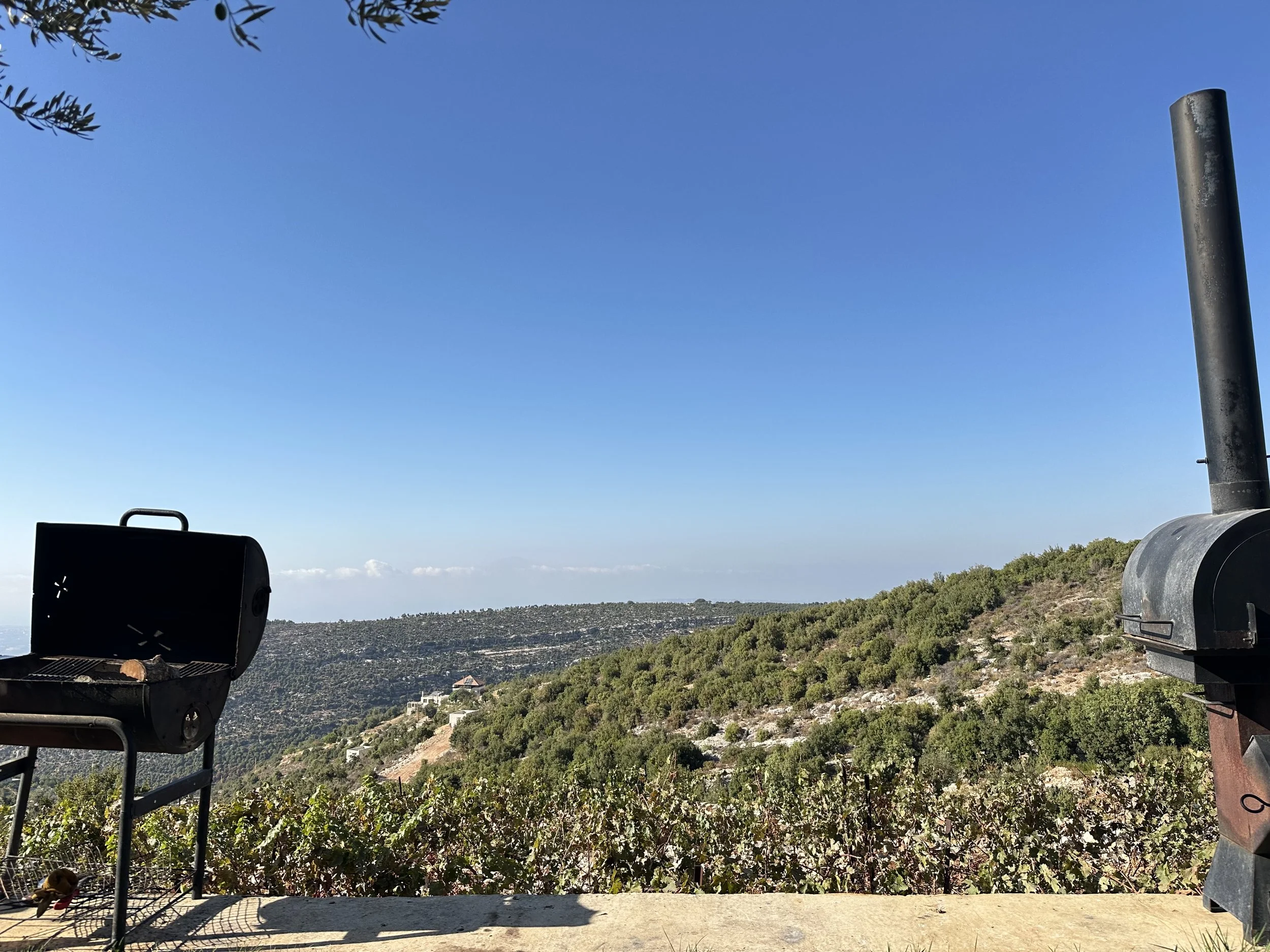
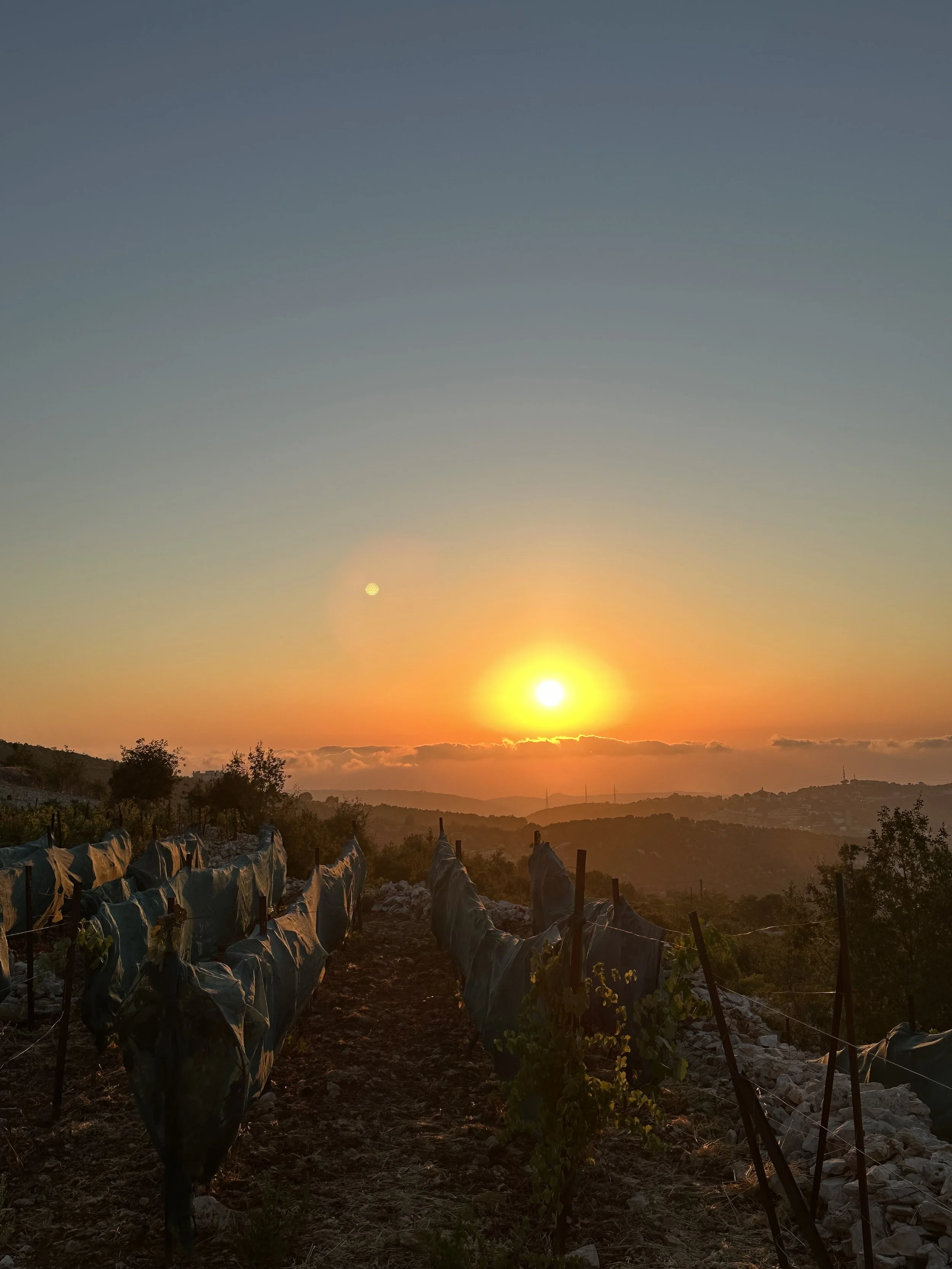
Totally chemical free, Sept’s vineyard in Nehla, Batroun, at 950m (3116ft) facing the Mediterranean Sea, is worked according to the lunar calendar and biodynamic principles, producing 400 bottles of biodynamic Syrah amidst competition with jackals and wild boar.
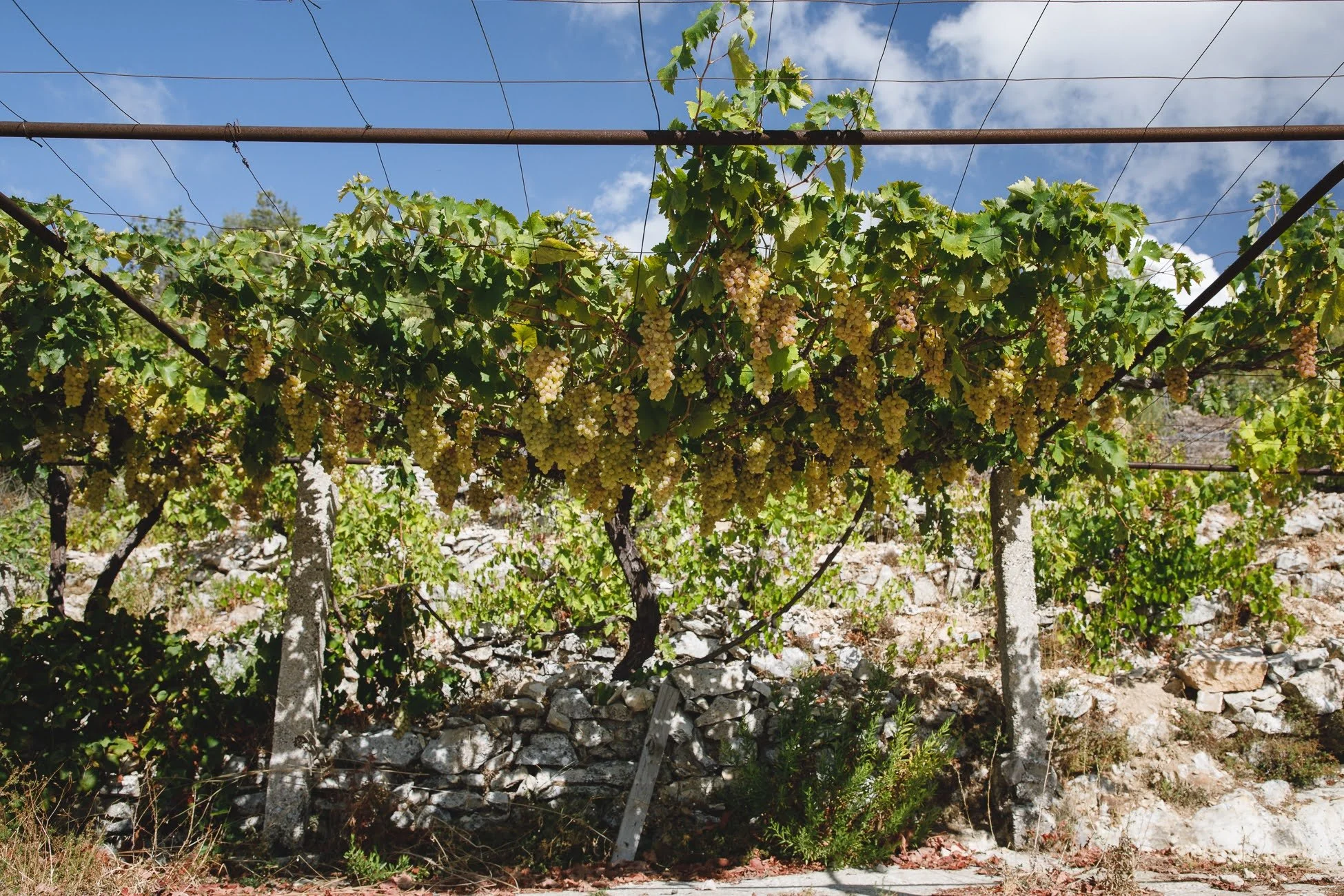
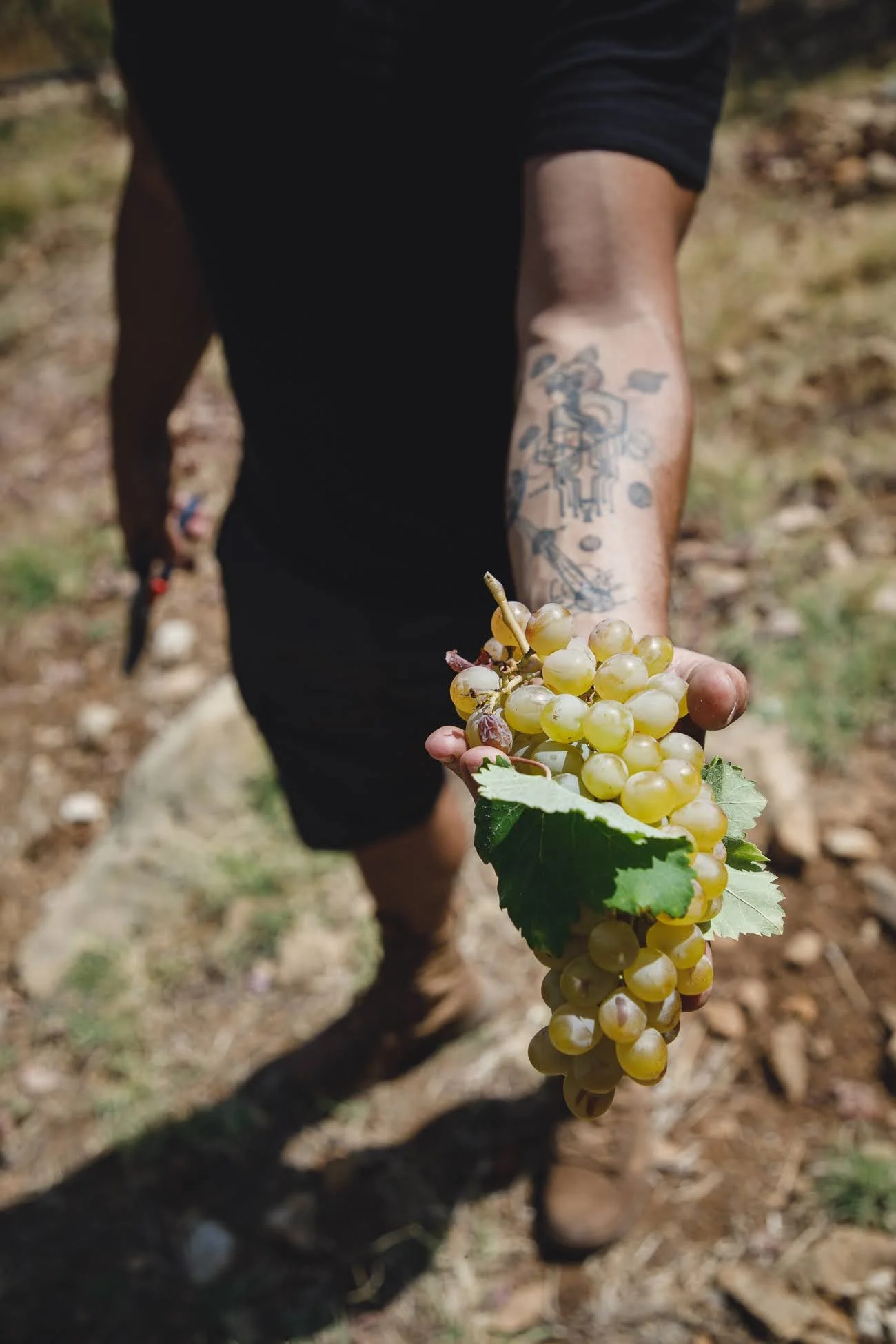
Sept is an established name in Lebanese wine, committed to reviving Lebanese indigenous grapes such as Obeideh, Merweh, and Zitani. The Merweh and Zitani grow wild in the villages near the winery on centuries-old ungrafted vines at elevations of 900-1300 meters (2950-4265ft), on steep slopes in view of the Mediterranean sea. Maher calls it “the secret garden” where the vines grow climbing on oak trees and in polyculture plots of ancient olive groves. These unique heritage plots grow on soils of limestone bedrock, clay, sand, and blue marl. Maher and his team forage for these grapes at harvest time.
The Obeideh grapes are sourced from a vineyard in the sunny, high-altitude Bekaa valley near Zahle, at 1150m (3772ft). The calcareous-clay soils produce structured, long-lived, and aromatic wines from Obeideh, which were historically used to produce arak.
Another unique “lieu” that Sept sources from is the ancient region of Baalbek, home of the Temple of Bacchus built in ~150CE in honor of the Roman god of wine and fertility. In addition to its ancient wine roots, the village of Deir el Ahmar was historically known for hashish production. The grapes from Sept’s Cuvée du Soleil come from a single plot in this village where hashish was replaced by Tempranillo and Cabernet Sauvignon. Due to the water-retention capacity of the deep red clay soils, this sun-soaked district of Lebanon can produce some of the freshest red wine, in the foothills of ancient cedar trees.
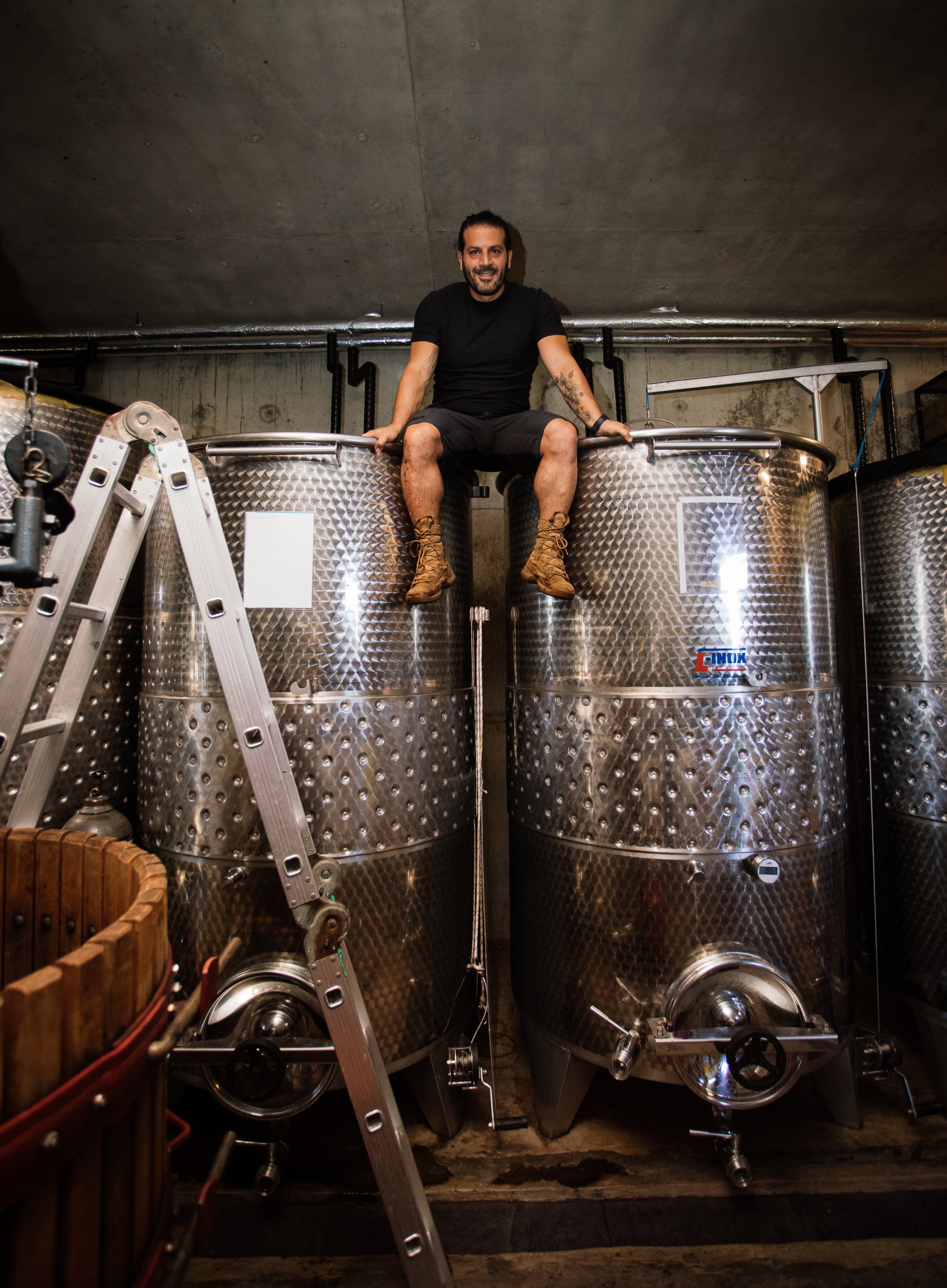
All of Sept’s wines are fermented with wild yeast from the vineyards and cellar and are free from enological additives. Apart from a small percentage of the Viognier, all Sept’s wines are vinified and matured sur lie in steel to preserve the most honest and lively expression of both the variety and the Lebanese terroir. Maher adds small amounts of sulphur before bottling where necessary. Despite the focus on indigenous grape varieties, Sept’s range of wines keeps evolving, reflecting Maher’s love for unconventional, surprising, and innovative experiments.
Winemakers: Maher Harb
Country: Lebanon
Region: Batroun District
Town: Nehla
Hectares: 6 hectares
Farming: Biodynamic and organic practicing, dry farmed
Soil: Limestone bedrock, calcareous-clay
Founding Year: 2012